Ventolin Accuhaler 60d - 200mcg
£9.79
100microgram Inhalation powder
Free standard delivery on orders over £40 and typically arrive in 1–2 business days.
For full details on our returns policy, visit our delivery & returns page.
Our pharmacy team is here to help. Get in touch if you have any questions about your order or need advice on a product.
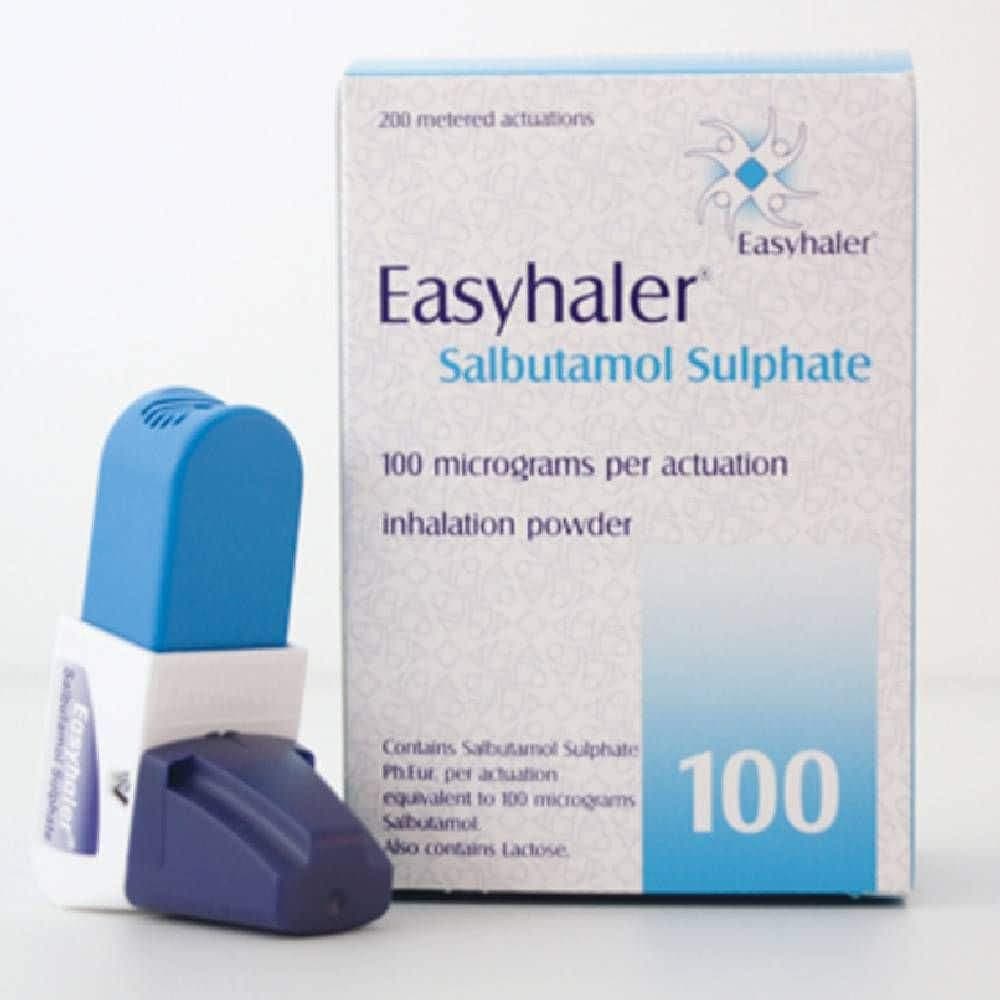
The Salbutamol Easyhaler is a fast-acting reliever inhaler, containing salbutamol sulphate, that helps open your airways quickly when you need it most.
It's a dry powder inhaler (DPI), which means there's no propellant spray involved. Instead, you inhale a fine powder directly into your lungs. Many people find this easier to use than a traditional pressurised inhaler because you don't need a spacer for it to work at its best.
The Salbutamol Easyhaler is used to relieve and prevent breathing symptoms caused by asthma and similar conditions. It can help with:
It's also used as a preventative measure before exercise or exposure to known triggers like pollen or allergens, helping to stop symptoms before they start.
It's important to know that the Easyhaler is a reliever inhaler, not a preventer. That means it's designed to treat symptoms when they happen, or to be used just before a trigger situation.
If you're also prescribed a preventer inhaler (usually a brown or purple one), don't stop using it just because you feel better. Both inhalers play different but important roles in managing your asthma.
When you inhale salbutamol, it gets to work quickly by relaxing the muscles in the walls of your airways. This allows the airways to widen, making it easier for air to flow in and out of your lungs. You'll typically start to feel the effects within a few minutes, and they can last for around 4-6 hours.
The Easyhaler works on a simple three-step process: shake, click, and inhale. Here's how to use it:
Shake: Remove the dust cap and shake the inhaler 3-5 times, keeping it in an upright position. This is important to make sure the powder is ready to be released as a dose.
Click: Holding the inhaler upright between your forefinger and thumb, press down until you hear a click, then let it click back up again. This releases one dose. Only press down once. Don't click and inhale at the same time.
Inhale: Breathe out normally first, then place the mouthpiece fully in your mouth and close your lips tightly around it. Take a strong, deep breath in. Once you've inhaled, take the inhaler out of your mouth and hold your breath for at least 5 seconds before breathing out normally.
Remember, don't breathe out into the inhaler, as the powder is sensitive to moisture and this could clog it up. If this happens, tap the mouthpiece to empty the powder out and start again.
If you need a second puff, repeat all three steps from the beginning. And once you're done, always replace the dust cap. This stops the inhaler from accidentally releasing a dose.
To relieve an acute asthma attack, start with one puff (100mcg), which can be increased to 2 puffs (200mcg) if needed.
To prevent symptoms before exercise or known triggers, start with 2 puffs (200mcg), which can be increased to 4 puffs (400mcg) if needed.
The maximum dose is 8 puffs of 100mcg (800mcg) in any 24-hour period.
To clean your Easyhaler, simply wipe the mouthpiece with a dry cloth or tissue. That's it. Don't use water or any liquid to clean it as the powder inside is sensitive to moisture and a damp inhaler will need to be replaced.
Keep the dust cap on whenever you're not using it to protect the mouthpiece.
Salbutamol Easyhaler works quickly, usually within a few minutes of inhaling, with relief lasting for around 4-6 hours. For most people, it provides reliable and effective relief during an asthma attack or when symptoms flare-up.
The Easyhaler device itself is designed to make getting the right dose as easy as possible. Because it's a dry powder inhaler, you don't need to worry about timing your breath with a spray.
The inhaler also has a dose counter built in, so you always know how many doses are left. The counter turns red when there are 20 doses remaining, giving you plenty of time to order a replacement.
That said, how effective your inhaler is depends on using it correctly. If you're not confident in your technique, ask your GP or asthma nurse to check it for you.
Ordering your Salbutamol Easyhaler through myPharmacy is quick and easy. Because it's a prescription-only medicine, we do need to make sure it's suitable for you before we can send it out.
Here's how it works:
A photo of your repeat medication slip showing your prescribed salbutamol inhaler.
A screenshot of your medication from the NHS app or Patient Access app.
We're unable to prescribe the Salbutamol Easyhaler to new asthma patients without an existing diagnosis. We're also unable to provide this service to anyone under the age of 18. If you're not sure what to upload, or have any questions, our clinicians are happy to help.
The Salbutamol Easyhaler may cause side effects in some people, but not everyone gets them. Common side effects may include (affecting up to one in 10 people):
You should contact your GP or pharmacist if:
These can all be signs that your asthma needs a reassessment.
Also, never ignore worsening symptoms. If your reliever inhaler isn't helping during an asthma attack, call 999 straight away.
The Salbutamol Easyhaler isn't suitable for everyone.
Don’t use it if you're allergic to salbutamol or any of the other ingredients, including lactose or milk protein.
Don’t use it if you've gone into unexpected early labour or are at risk of miscarriage (this inhaler isn't suitable for those purposes).
If you're pregnant or breastfeeding, or think you might be pregnant, please speak to your GP or one of our pharmacists before ordering. We want to make sure you're getting the safest option for you and your baby.
Rarely, this inhaler can cause dizziness in some people. Don't drive or operate machinery until you know how you’re affected.
For further information on warnings, please refer to the patient information leaflet provided.
Keep out of the sight and reach of children.
Before first use, store in the unopened foil bag.
After opening the foil bag, don't store above 25°C and protect from moisture.
Keep it in its protective cover when you're not using it.
If your Easyhaler gets damp, replace it with a new one.
Replace it no later than 6 months after opening the foil bag, even if there are doses left. Write down the date you opened it, so you don't lose track.
Don't use it after the expiry date on the label and carton. The expiry date refers to the last day of that month.
Don't throw away unused medicine in household waste or down the sink. Ask your pharmacist how to dispose of it safely.
If the Easyhaler isn't quite right for you, you still have some options. However, always speak to your GP or pharmacist to find the best fir for you. Other salbutamol inhalers include:
While there's no substitute for prescribed medication when it comes to managing your asthma, there are lifestyle changes that can support you:
Identifying and avoiding triggers like pollen, pet dander, dust mites, cold air, and smoke (and quitting if you smoke). Keeping a symptom diary can help you spot patterns.
Breathing exercises like the Buteyko method may help with mild breathlessness.
Regular exercise can improve lung function and fitness over time, even if it feels counterintuitive. If exercise is a trigger, use your reliever inhaler beforehand and build up gradually.
Having an asthma action plan agreed with your GP, so you know exactly what to do if your symptoms change.
No, it isn't. The Salbutamol Easyhaler is a reliever inhaler, not a steroid inhaler (also called preventer inhalers).
Steroid inhalers reduce inflammation and swelling in your airways, while reliever inhalers relax the muscles around the airways to open them up. Steroid inhalers are used every day to keep the airways calm and reduce the likelihood of symptoms occurring.
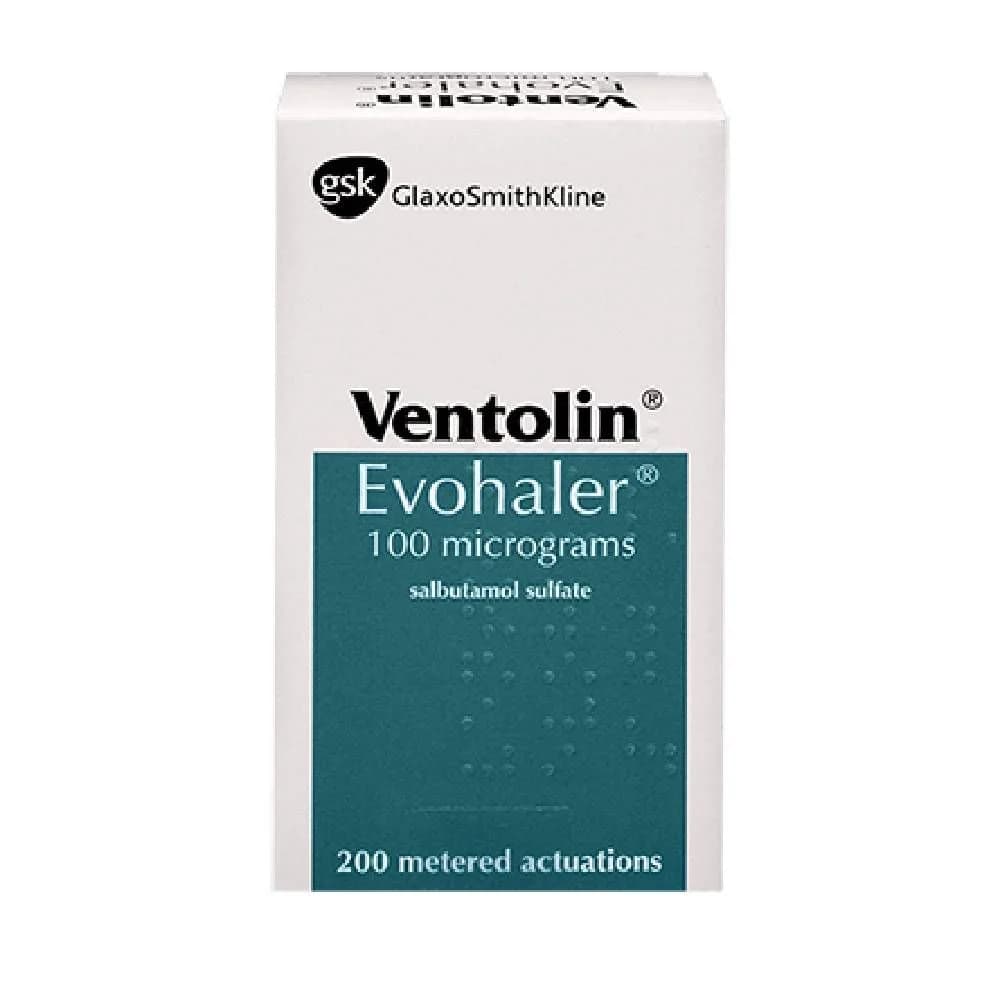
Both the Salbutamol Easyhaler and Ventolin Evohaler contain the same active ingredient at the same strength, so they work the same way in your body. The difference is the device.
The Easyhaler uses a dry powder mechanism, which many people find easier to use as there's no need to coordinate pressing and inhaling at the same time. The Ventolin Evohaler releases a spray and can be used with a spacer, making it a popular choice for children and older adults.
Ultimately, the best inhaler is the one you personally find easiest to use correctly and consistently. If you're unsure which suits you, your GP, pharmacist, or asthma nurse can help.
For sudden shortness of breath caused by asthma, a reliever inhaler like the Salbutamol Easyhaler is what you need. It works within minutes and is designed for these situations.
If you're regularly experiencing breathlessness, speak to your GP as your asthma may need reviewing. For shortness of breath caused by something other than asthma, different treatments may be needed, so always check with a healthcare professional if you're unsure.
Patient Information Leaflet. MHRA. [Accessed 19th March 2026].
Choosing an Inhaler Device. (2024). Asthma + Lung UK. [Accessed 19th March 2026].
About Salbutamol Inhalers. (2025). NHS. [Accessed 19th March 2026].
Buteyko Breathing Technique. (2021). Healthline. [Accessed 19th March 2026].
Preventer Inhalers. (2025). Asthma + Lung UK. [Accessed 19th March 2026].
Fast-acting reliever inhaler containing salbutamol. Dry powder inhaler (DPI) or blue inhaler. Relieves asthma symptoms or used before triggers like exercise or allergies. Works within minutes and lasts 4-6 hours. Contains 200 puffs (actuations). You must have an existing asthma diagnosis to order your prescription.
Inhale 1 to 2 doses when required. (100-200mcg). To prevent symptoms before exercise or any other trigger, initially inhale 2 doses (200mcg), this may be increased to 4 doses (400mcg).