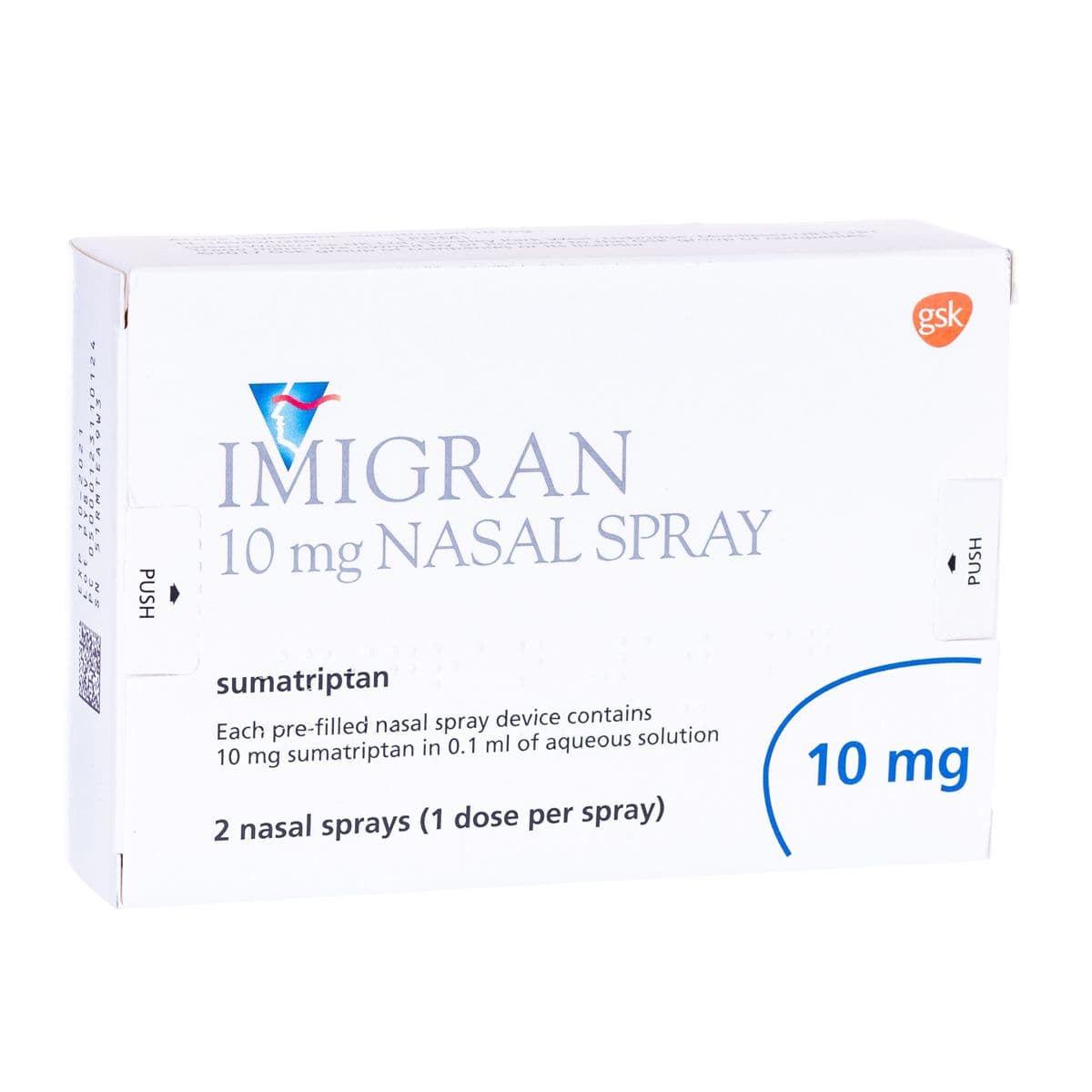
Imigran Migraine Recovery Nasal Spray
£29.99
Stop migraines in their tracks with Sumatriptan, the fast-acting migraine and severe headache relief treatment. Sumatriptan relieves common symptoms including: pain and pressure in the head, increased sensitivity to light or sound, nausea and vomiting.
Free standard delivery on orders over £40 and typically arrive in 1–2 business days.
For full details on our returns policy, visit our delivery & returns page.
Our pharmacy team is here to help. Get in touch if you have any questions about your order or need advice on a product.
Sumatriptan is a renowned treatment for migraines, and in this guide, we will discuss all there is to know about it. It's classified under a group of medications called triptanes, specifically designed to ease symptoms of migraines or cluster attacks. For a more comprehensive look into Sumatriptan's background, you might want to visit the NHS website.
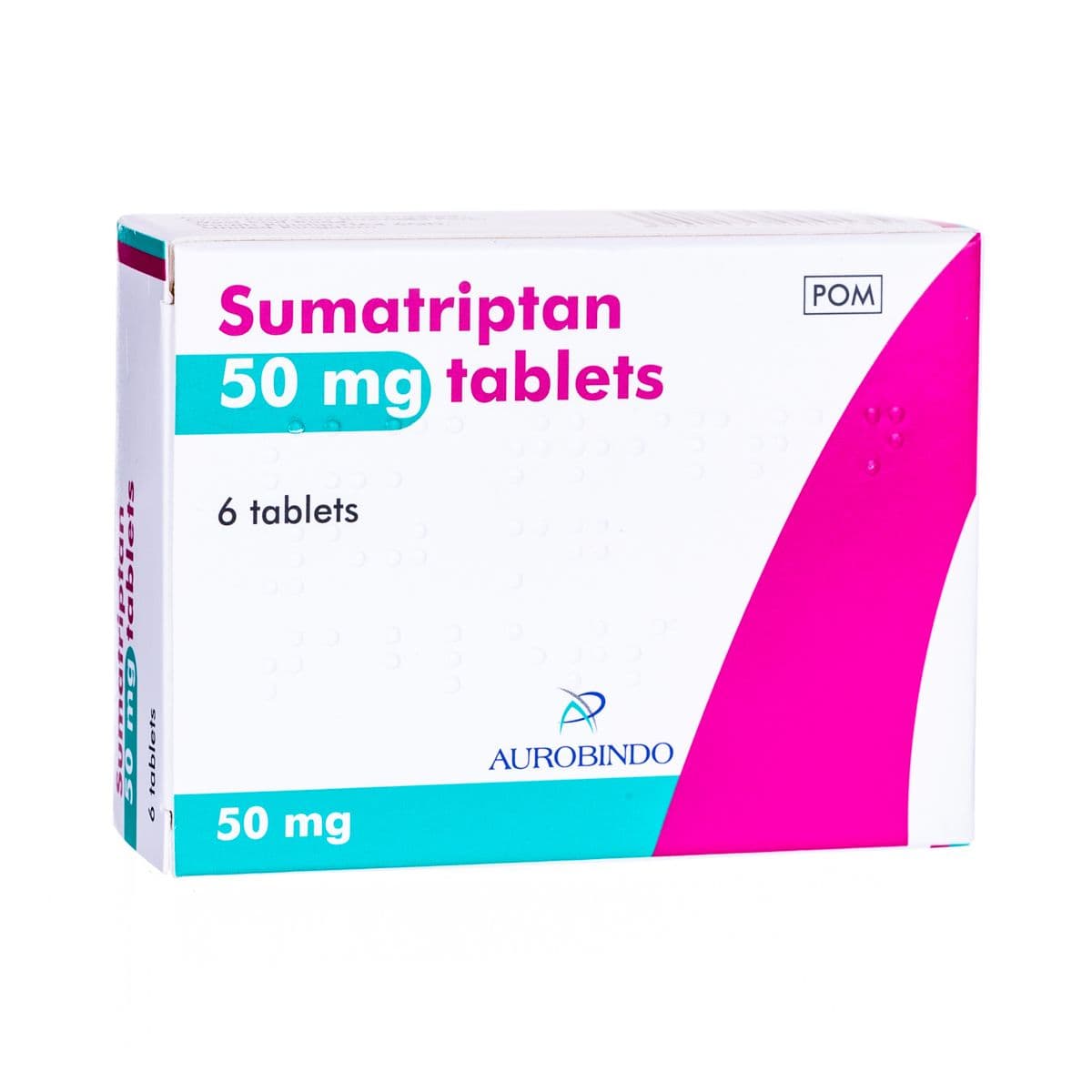
Sumatriptan 50mg: This is the initial dose available at My Pharmacy. Typically, the 50mg variant is reserved for long-term treatment plans. These aren't used for life-threatening conditions.
Sumatriptan 100mg: Representing the highest dose available at My Pharmacy, it's often prescribed when a rapid and potent response is required.
Additionally, there is a nasal spray variant called Imigran for those who may prefer it.
Ordering from My Pharmacy guarantees a discreet and secure delivery. With our efficient next-day delivery service, you can ensure you receive your Sumatriptan 50mg or 100mg tablets promptly and intact. Before ordering, ensure you have a prescription, which can be acquired through our online consultation service.
For a step-by-step guide on how to order online, consider watching this YouTube tutorial.
While not everyone experiences side effects, it's crucial to be informed. If you encounter any of the following after consuming Sumatriptan tablets, seek medical advice immediately:
More on side effects can be found here.
Ibuprofen: Combining Sumatriptan with Ibuprofen is typically safe. However, if you're unsure, it's always recommended to consult with your physician.
Alcohol: While Sumatriptan doesn't interact with alcohol, it's better to avoid combining them during a migraine episode.
Pregnancy: There isn't sufficient research to guarantee safety during pregnancy. Always discuss potential risks and benefits with your doctor.
While Sumatriptan is a potent migraine solution, its accessibility varies. For those previously diagnosed with migraines, it's available over-the-counter at most pharmacies. However, if you haven't been diagnosed, a prescription is required. Always ensure you're informed about regulations and consult with a pharmacist before purchasing.
Migraine symptoms often arise due to the temporary expansion of blood vessels in the head. Sumatriptan targets this issue at its root. By consuming Sumatriptan tablets, the widening of these blood vessels is reduced, alleviating the headache. It's always enlightening to understand your treatment; further insights into Sumatriptan's mechanism can be found in the patient information leaflet provided with your medication.
Proper dosage is critical for the efficacy of any treatment. Adults, in the event of a migraine, should start with a dose of Sumatriptan 50mg. However, in more severe cases, a 100mg dose may be required. It's crucial to note that patients with liver impairments might be prescribed a specific dosage. Always adhere to your doctor's recommendations and never self-medicate.
Migraines aren't just any headache; they are intense, pulsating, and can even be debilitating for many. Sumatriptan offers relief from ongoing migraine attacks. Whether you experience migraines with or without the accompanying 'aura', Sumatriptan can be a potential solution. Remember, while it offers relief from ongoing attacks, it isn't a preventive measure.
World-renowned neurologists and headache experts often weigh in on Sumatriptan's efficacy. A study in the British Journal of Clinical Pharmacology found Sumatriptan to be a trusted solution for many migraine patients. However, as with all medications, it's essential to evaluate if it's the right choice for your specific condition.
Q: When should I take Sumatriptan?
A: It's best taken as soon as you notice migraine symptoms. Don't use it preventatively.
Q: Can I take Paracetamol with Sumatriptan?
A: Yes, if Sumatriptan doesn't alleviate your symptoms, you can consume painkillers containing paracetamol. Always consult with your physician for personalized advice.
Q: How quickly does Sumatriptan work?
A: Typically, patients begin to feel relief from symptoms within 2 hours of consuming the medication.
Q: Can I drive after taking Sumatriptan?
A: Some people might feel drowsy after taking the medicine. It's advised to understand how it affects you before engaging in activities like driving.
Migraines can significantly disrupt daily life, but with effective treatments like Sumatriptan available, there's hope for relief. It's essential to be informed, adhere to dosage guidelines, and always consult with a healthcare professional when in doubt. Remember, each patient's journey is unique; always prioritise your well-being and safety.
Fast Acting Migraine Treatment Active Ingredient: Sumatriptan Generic version of Imigran Buy With Confidence From UK Registered Pharmacy Includes Free Prescription
Like all medicines, this medicine can cause side effects, but not everybody gets them. Some symptoms may be caused by the migraine itself. Allergic reaction: get doctor’s help straight away Common side effects (affect up to 1 in 10 people)
A migraine is usually a moderate or severe headache felt as a throbbing pain on one side of the head. Many people also have symptoms such as nausea, vomiting and increased sensitivity to light or sound. Migraine is a common health condition, affecting around one in every five women and around one in every 15 men. They usually begin in early adulthood. There are several types of migraine, including: migraine with aura – where there are specific warning signs just before the migraine begins, such as seeing flashing lights migraine without aura – the most common type, where the migraine occurs without the specific warning signs migraine aura without headache, also known as silent migraine – where an aura or other migraine symptoms are experienced, but a headache doesn't develop. Some people have migraines frequently, up to several times a week. Other people only have a migraine occasionally. It's possible for years to pass between migraine attacks. When to seek medical advice You should see your GP if you have frequent or severe migraine symptoms. Simple painkillers such as paracetamol or ibuprofen can be effective for migraine. However, be careful not to take too many painkillers as this could make it harder to treat headaches over time. You should also make an appointment to see your GP if you have frequent migraines (on more than five days a month), even if they can be controlled with medication, as you may benefit from preventative treatment. Causes of migraines The exact cause of migraines is unknown, although they're thought to be the result of temporary changes in the chemicals, nerves and blood vessels in the brain. Around half of all people who experience migraines also have a close relative with the condition, suggesting that genes may play a role. Triggers Some people find migraine attacks are associated with certain triggers, which can include: Emotional triggers: stress anxiety tension shock depression excitement Physical triggers: tiredness poor quality sleep shift work poor posture neck or shoulder tension jet lag low blood sugar (hypoglycaemia) strenuous exercise, if you're not used to it starting their period Dietary triggers: missed, delayed or irregular meals dehydration alcohol the food additive tyramine caffeine products, such as tea and coffee specific foods such as chocolate, citrus fruit and cheese Environmental triggers: bright lights flickering screens, such as a television or computer screen smoking (or smoky rooms) loud noises changes in climate, such as changes in humidity or very cold temperatures strong smells a stuffy atmosphere Treating migraines There's no cure for migraines, but a number of treatments are available to help reduce the symptoms. These include: painkillers – including over-the-counter medicationssuch as paracetamol and ibuprofen triptans – medications that can help reverse the changes in the brain that may cause migraines anti-emetics – medications often used to reduce nausea and vomiting During an attack, many people find that sleeping or lying in a darkened room can also help. Preventing migraines If you suspect a specific trigger is causing your migraines, such as stress or a certain type of food, avoiding this trigger may help reduce your risk of experiencing migraines. It may also help to maintain a generally healthy lifestyle, including regular exercise, sleep and meals, as well as ensuring you stay well hydrated and limiting your intake of caffeine and alcohol. If your migraines are severe or you've tried avoiding possible triggers and are still experiencing symptoms, your GP may prescribe medication to help prevent further attacks. Outlook Migraines can severely affect your quality of life and stop you carrying out your normal daily activities. Some people find they need to stay in bed for days at a time. However, a number of effective treatments are available to reduce the symptoms and prevent further attacks. Migraine attacks can sometimes get worse over time, but they tend to gradually improve over many years for most people.
Further information can be found on the manufacturers Patient Information Leaflet and printed if required. Migraines