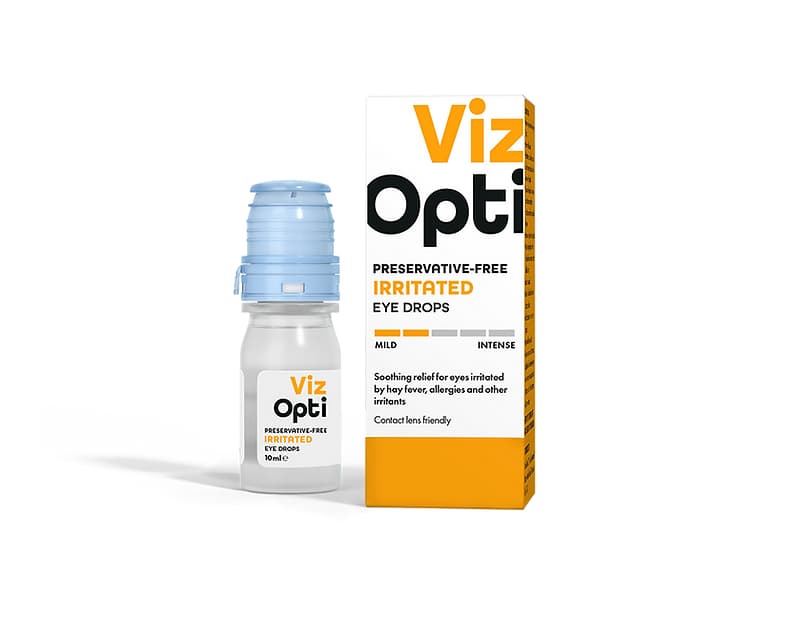

Artelac Rebalance Eye Drops 10ml
£6.99
5mg Oral tablet — 6 tablet
Stop migraines in their tracks with Maxalt, the fast-acting migraine and severe headache relief treatment. Maxalt relieves common symptoms including: pain and pressure in the head, increased sensitivity to light or sound, nausea and vomiting.
Free standard delivery on orders over £40 and typically arrive in 1–2 business days.
For full details on our returns policy, visit our delivery & returns page.
Our pharmacy team is here to help. Get in touch if you have any questions about your order or need advice on a product.
MAXALT belongs to a class of medicines called selective serotonin 5-HT1B/1D receptor agonists. MAXALT is used to treat the headache phase of the migraine attack in adults. Treatment with MAXALT: Reduces swelling of blood vessels surrounding the brain. This swelling results in the headache pain of a migraine attack.
Do not take MAXALT
if you are already taking a 5-HT1B/1D agonist (sometimes referred to as ‘triptans’), such as sumatriptan, naratriptan or zolmitriptan.
if you are taking a monoamine oxidase (MAO) inhibitor such as moclobemide, phenelzine, tranylcypromine, linezolid, or pargyline or if it has been less than two weeks since you stopped taking an MAO inhibitor.
if you use ergotamine-type medications such as ergotamine or dihydro-ergotamine to treat your migraine.
if you use methysergide to prevent a migraine attack.
The above listed medicines when taken with MAXALT may increase the risk of side effects.
You should wait at least 6 hours after taking MAXALT before you take ergotamine-type medications such as ergotamine or dihydro-ergotamine or methysergide.
You should wait at least 24 hours after taking ergotamine-type medications before taking MAXALT.
Ask your doctor for instructions and the risks about taking MAXALT
if you are taking propranolol (see section 3: How to take MAXALT).
if you are taking SSRIs such as sertraline, escitalopram oxalate, and fluoxetine or SNRIs such as venlafaxine, and duloxetine for depression.
Tell your doctor or pharmacist if you are taking, have recently taken or might take any other medicines, including medicines obtained without a prescription.
Relieves migraines and tension headaches Reduces swelling of blood vessels surrounding the brain Active Ingredient: Rizatriptan Fasting acting relief in just 30 minutes
A migraine is usually a moderate or severe headache felt as a throbbing pain on one side of the head. Many people also have symptoms such as nausea, vomiting and increased sensitivity to light or sound. Migraine is a common health condition, affecting around one in every five women and around one in every 15 men. They usually begin in early adulthood. There are several types of migraine, including: migraine with aura – where there are specific warning signs just before the migraine begins, such as seeing flashing lights migraine without aura – the most common type, where the migraine occurs without the specific warning signs migraine aura without headache, also known as silent migraine – where an aura or other migraine symptoms are experienced, but a headache doesn't develop Some people have migraines frequently, up to several times a week. Other people only have a migraine occasionally. It's possible for years to pass between migraine attacks. When to seek medical advice You should see your GP if you have frequent or severe migraine symptoms. Simple painkillers such as paracetamol or ibuprofen can be effective for migraine. However, be careful not to take too many painkillers as this could make it harder to treat headaches over time. You should also make an appointment to see your GP if you have frequent migraines (on more than five days a month), even if they can be controlled with medication, as you may benefit from preventative treatment. Causes of migraines The exact cause of migraines is unknown, although they're thought to be the result of temporary changes in the chemicals, nerves and blood vessels in the brain. Around half of all people who experience migraines also have a close relative with the condition, suggesting that genes may play a role. Some people find migraine attacks are associated with certain triggers, which can include: Emotional triggers: stress anxiety tension shock depression excitement Physical triggers: tiredness poor quality sleep shift work poor posture neck or shoulder tension jet lag low blood sugar (hypoglycaemia) strenuous exercise, if you're not used to it starting their period Dietary triggers: missed, delayed or irregular meals dehydration alcohol the food additive tyramine caffeine products, such as tea and coffee specific foods such as chocolate, citrus fruit and cheese Environmental triggers: bright lights flickering screens, such as a television or computer screen smoking (or smoky rooms) loud noises changes in climate, such as changes in humidity or very cold temperatures strong smells a stuffy atmosphere Treating migraines There's no cure for migraines, but a number of treatments are available to help reduce the symptoms. These include: painkillers – including over-the-counter medications such as paracetamol and ibuprofen triptans – medications that can help reverse the changes in the brain that may cause migraines anti-emetics – medications often used to reduce nausea and vomiting During an attack, many people find that sleeping or lying in a darkened room can also help. Preventing migraines If you suspect a specific trigger is causing your migraines, such as stress or a certain type of food, avoiding this trigger may help reduce your risk of experiencing migraines. It may also help to maintain a generally healthy lifestyle, including regular exercise, sleep and meals, as well as ensuring you stay well hydrated and limiting your intake of caffeine and alcohol. If your migraines are severe or you've tried avoiding possible triggers and are still experiencing symptoms, your GP may prescribe medication to help prevent further attacks. Outlook Migraines can severely affect your quality of life and stop you carrying out your normal daily activities. Some people find they need to stay in bed for days at a time. However, a number of effective treatments are available to reduce the symptoms and prevent further attacks. Migraine attacks can sometimes get worse over time, but they tend to gradually improve over many years for most people.
Like all medicines, this medicine can cause side effects, although not everybody gets them. The following side effects may happen with this medicine. In adult studies, the most common side effects reported were dizziness, sleepiness and tiredness. Common (affects 1 to 10 users in 100) tingling (paraesthesia), headache, decreased sensitivity of skin (hypoaesthesia), decreased mental sharpness, insomnia fast or irregular heart beat (palpitation), flushing (redness of the face lasting a short time) throat discomfort feeling sick (nausea), dry mouth, vomiting, diarrhoea, indigestion (dyspepsia) feeling of heaviness in parts of the body, neck pain, stiffness pain in abdomen or chest